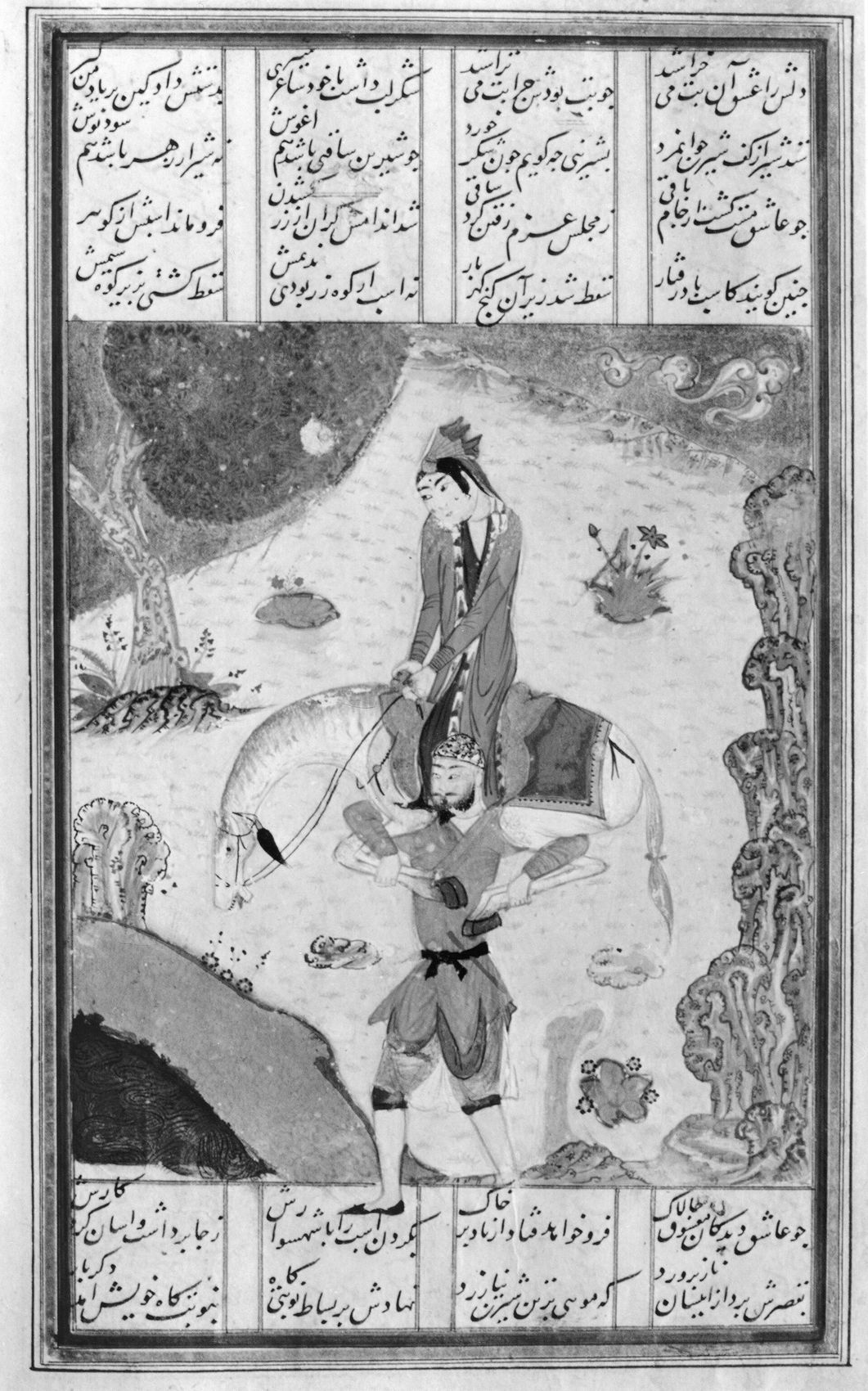
Five treasures
The Khamsa
Nizami's chief legacy is the Khamsa, or 'Quintet': five long poems, each of which became a classic of world literature.
Five treasures
Nizami's chief legacy is the Khamsa, or 'Quintet': five long poems, each of which became a classic of world literature.
Khamsa means 'five' — five poems also known as the 'Five Treasures'.
The Khamsa
The best-known poem of the Khamsa is 'Layla and Majnun', a tragic love story that became a model for all Eastern poetry. Its plot inspired poets, painters and composers for centuries.
The image of Majnun, driven mad by love, became a symbol of selfless feeling.
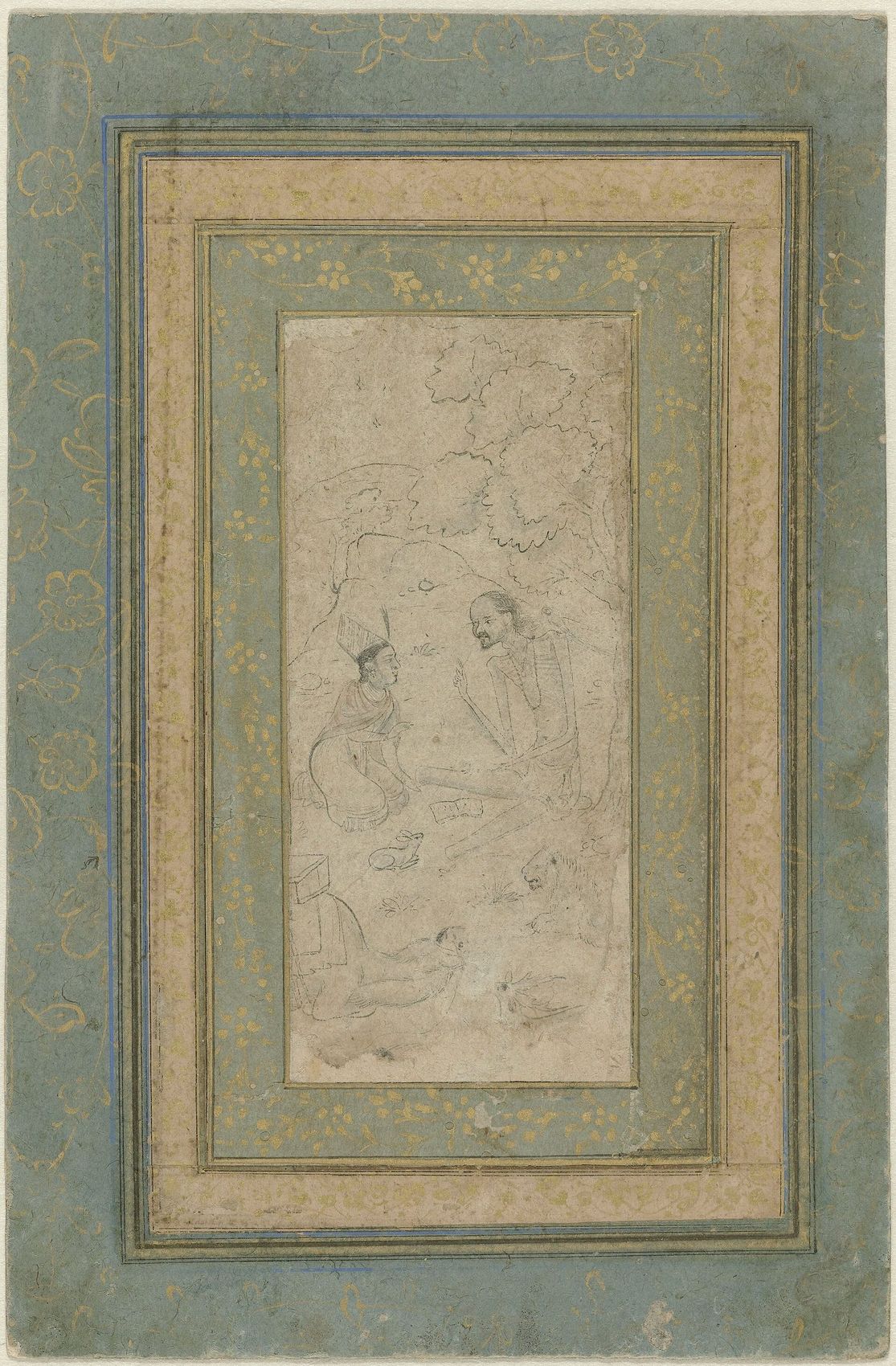
The five poems
Nizami's five treasures.
The Khamsa
In the five poems Nizami joined the themes of love and duty, wisdom and power, journeys and the knowledge of the world. 'Khosrow and Shirin' celebrates love, 'The Book of Alexander' the search for a just ruler.
Together they form a whole poetic world to which readers have returned for eight centuries.
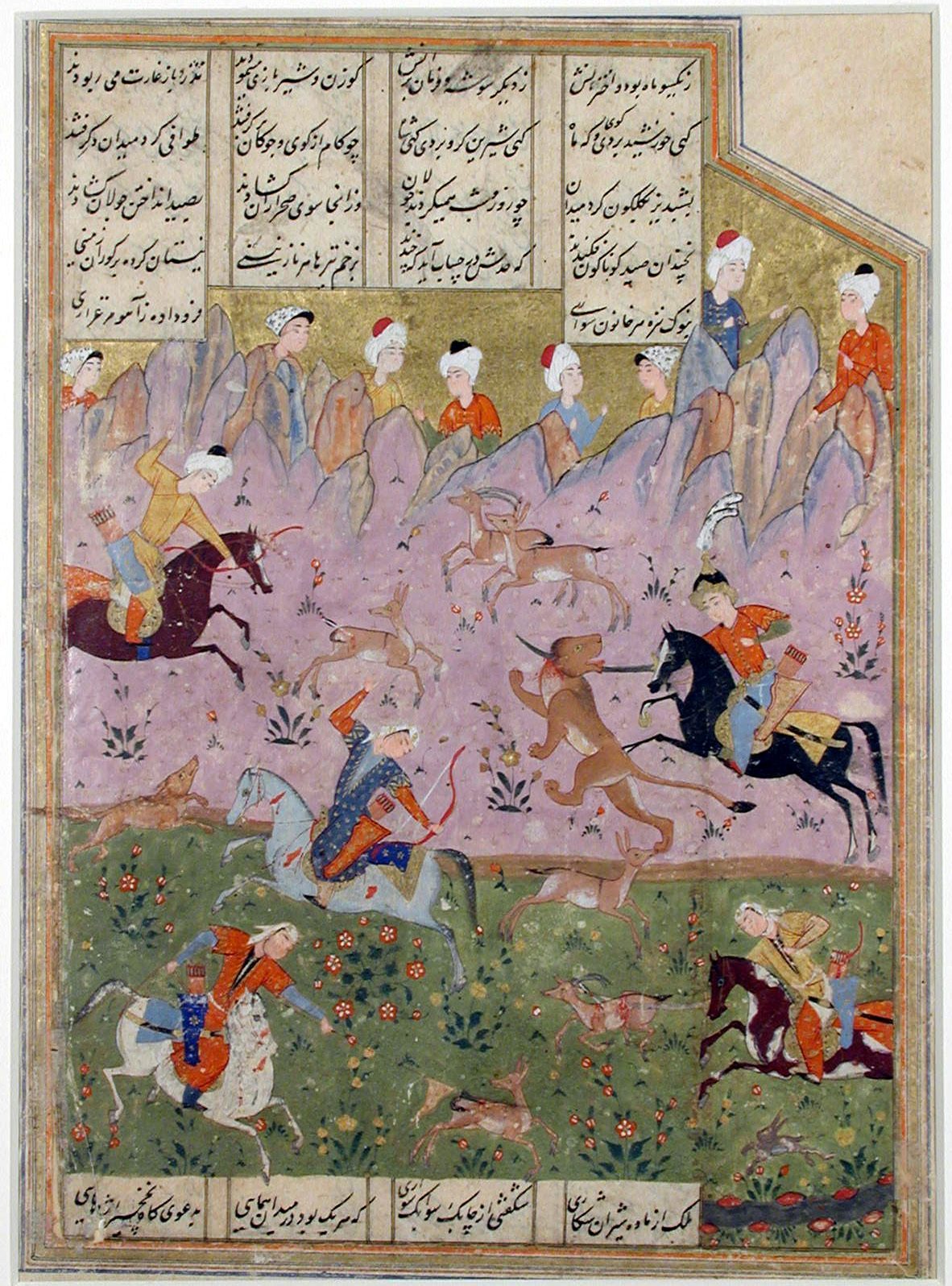
Titles and datings of the poems may differ across traditions and translations.